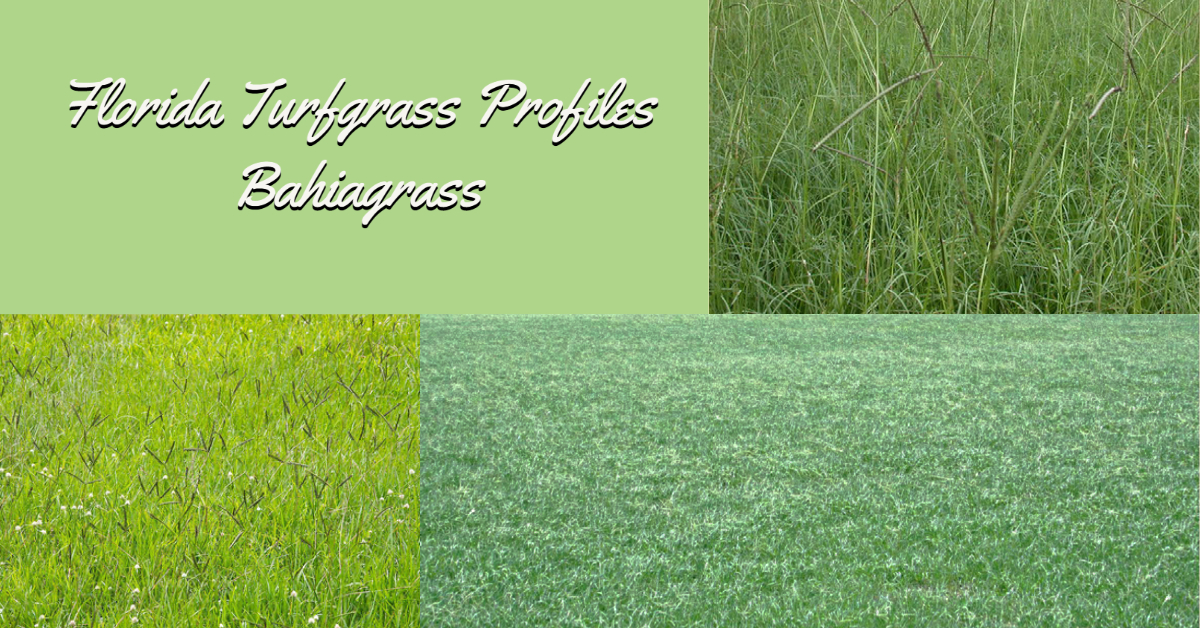
Selecting the right kind of turf for your home, or outdoor project is a delicate thought-out decision that takes time and research. In this series, we are going to do a deep dive into the common turf types used in the state of Florida. Helping you be a better-informed consumer, finding the right turf for your needs. Today we are continuing the series with a frequent choice for extreme heat and drought areas such as south Florida, Texas, and other hot and water-limited climates. We’re covering Bahiagrass.
Basics
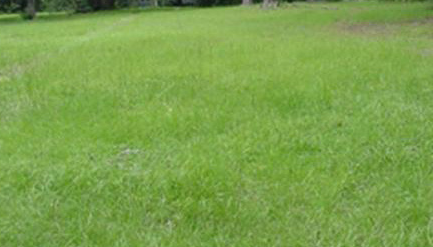
Bahiagrass first came to the United States in 1914 for use as a pasture grass in the Southeast. As its origin suggests, Bahia is a warm-season grass. Its most active growth occurs from late spring through the hot summer months. In its proper climate, this perennial grass persists year after year. A naturally deep root system makes Bahiagrass very drought-tolerant, even in the sandy soils common to the Southeast. Its natural texture is more coarse than many regional types of grass, particularly cool-season grasses common in northern zones.
Since its pasture-grass beginnings, some Bahiagrass varieties have proven themselves for lawn use in the heat- and humidity-prone Southeast. Its lawn use extends from Florida through the southern Coastal Planes to the Texas Gulf Coast. For homeowners in this challenging turf zone, these Bahiagrass varieties offer benefits other warm-season grasses don’t.
Cultivars
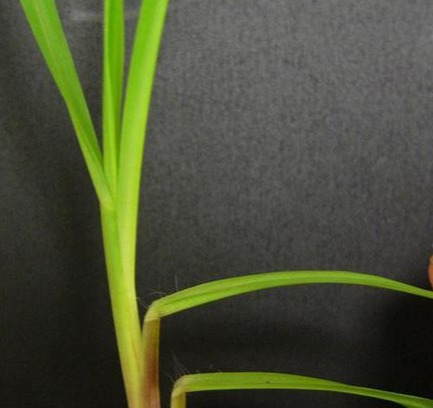
‘Common’ – is a coarse-textured, light-colored bahiagrass. It has an open and sparse growth habit and is very susceptible to cold temperatures. It is not normally recommended for use as a lawn grass.
‘Argentine’ – forms a relatively dense sod and has a dark green color, making it acceptable for lawn use in many situations. It has wider leaf blades than ‘Pensacola’ bahiagrass. It has good insect and disease resistance and tolerates cold temperatures well.
‘Pensacola’ – bahiagrass was selected in Pensacola, Florida, in 1935 and is the most widely grown bahiagrass today. It has an extensive root system, which imparts excellent stress tolerance.
Advantages
- Low maintenance needs
- Drought & heat tolerance
- Needs fewer nutrients than other turfgrasses
- Does not form excessive thatch
Disadvantages
- Unattractive tall seed heads
- Requires sharp mower blades for proper cutting Susceptible to iron deficiency in high-pH (> 7.0) soils
- Will turn brown when dormant
Further Reading
https://edis.ifas.ufl.edu/publication/lh006
https://www.pennington.com/all-products/grass-seed/resources/all-you-need-to-know-about-bahiagrass