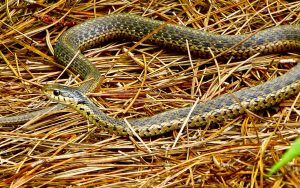
Wildlife-Friendly Plastic-Free Netting in Erosion and Sediment Control Products describes how plastic netting in temporary erosion and sediment control products can entangle reptiles, amphibians, birds, and small mammals and persist as harmful plastic debris. It explains differences between biodegradable natural-fiber netting and degradable synthetic plastics, and highlights risks in rolled erosion control products, fiber rolls, and reinforced silt fences. The guidance emphasizes selecting netless options or 100% biodegradable natural-fiber netting with wildlife-safe loose-weave designs, and removing temporary products promptly to reduce entanglement and plastic pollution.
Key Points
- Plastic netting in temporary erosion and sediment control products can entangle wildlife and break down into long-lasting plastic fragments that may enter waterways and the ocean.
- Only natural-fiber netting made from materials such as jute, sisal, or coir is biodegradable; degradable plastics, including photodegradable and oxo-degradable products, leave plastic residues.
- Wildlife-friendly practices include using netless erosion control options or 100% biodegradable natural-fiber netting with loose-weave designs and movable joints, and promptly removing products when no longer needed.
- Several California State agencies require wildlife-friendly plastic-free netting in erosion and sediment control products wherever feasible.